
Labour's 2026 General Election policies for New Zealand will manage the economy responsibly, make healthcare more affordable, cut the cost of getting around, and deliver real action on the cost of living.
Every policy below is fully costed and funded. Click any policy to read the detail, including who is eligible, when it starts and how it is paid for.
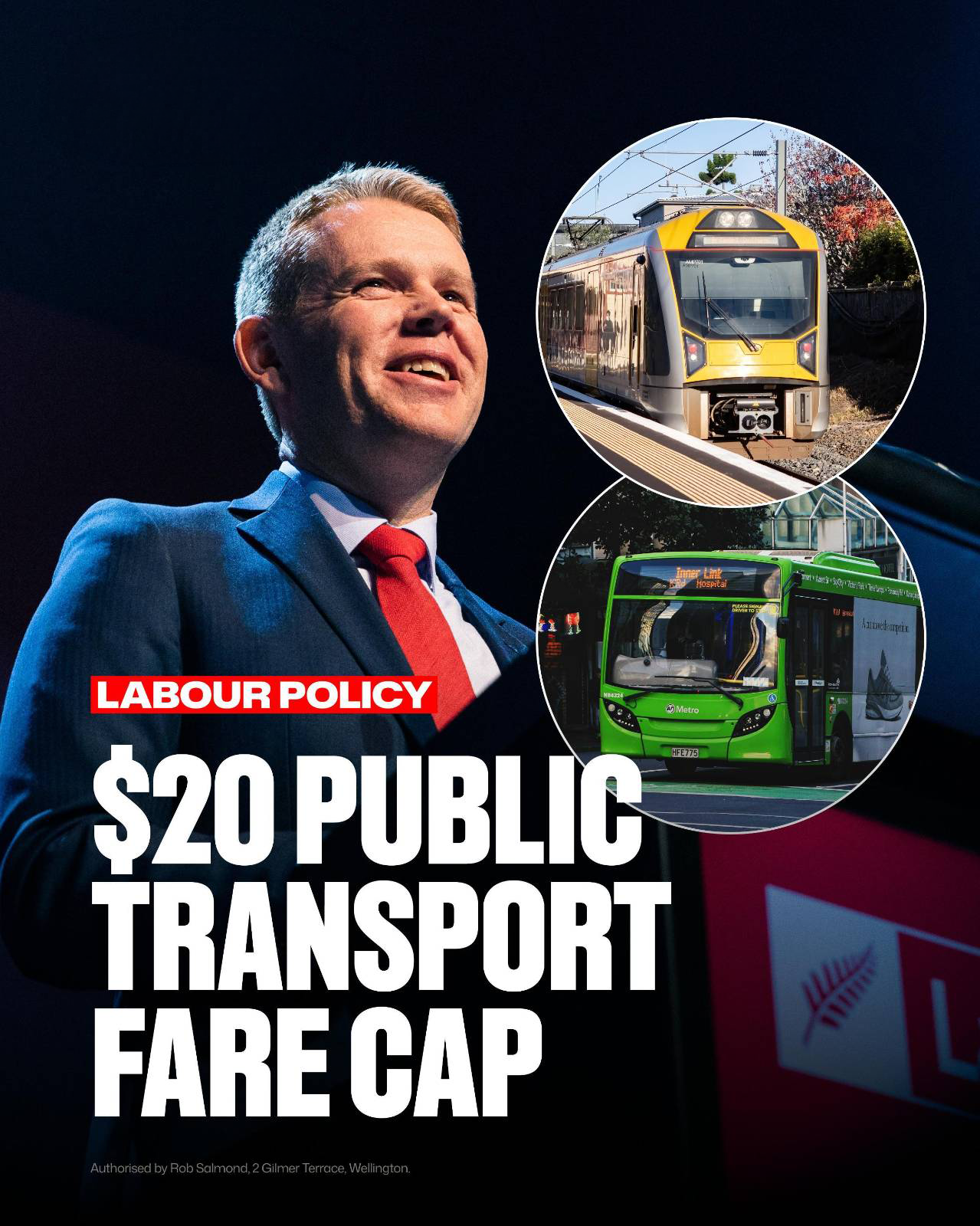
$20 Fare Cap
$20 a week is the most you'll pay to get around by bus or train under Labour. In place by 1 July 2027.
Learn More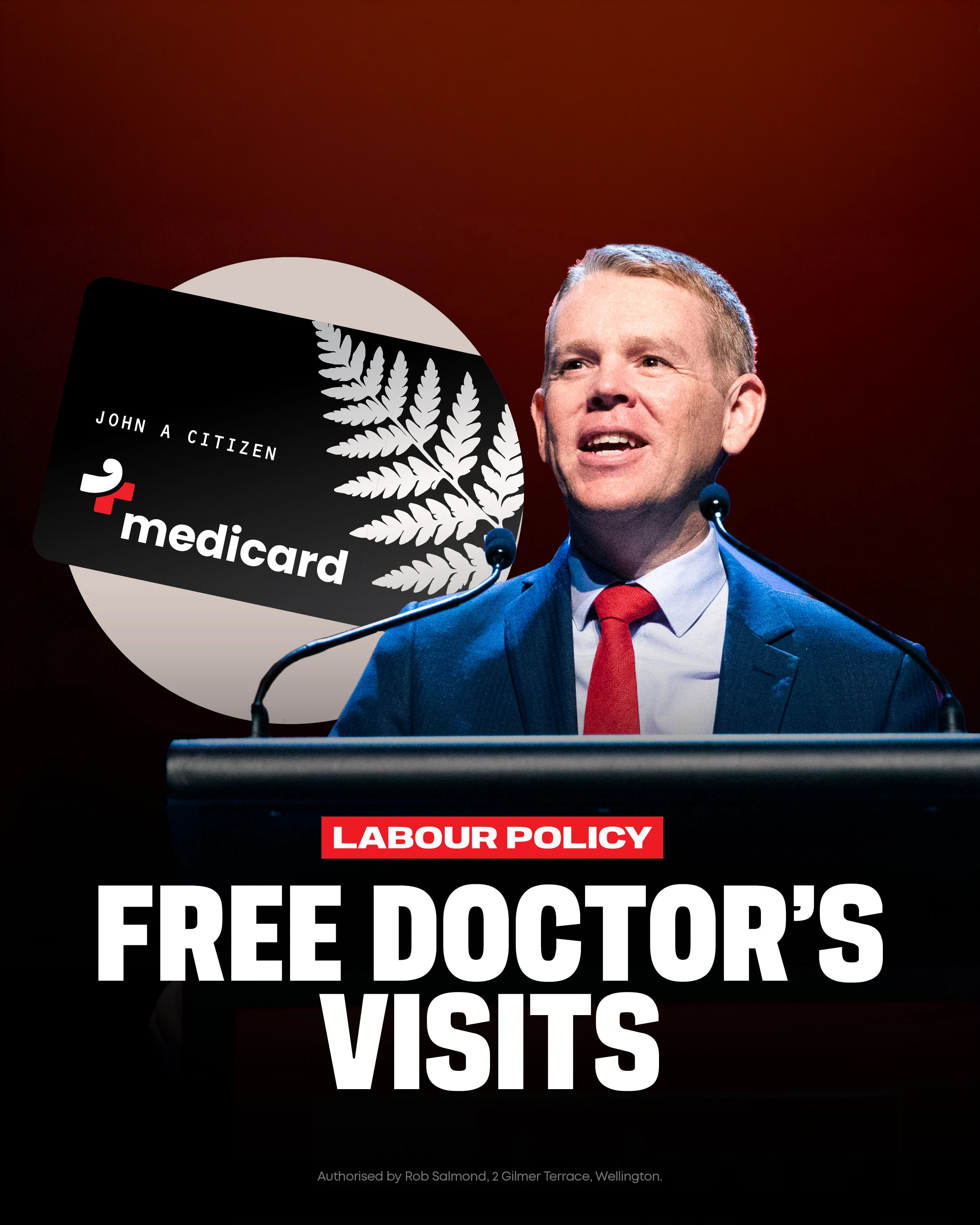
Free Doctor's Visits
Three free doctor's visits a year for everyone. Delivered with Labour's new Medicard.
Learn More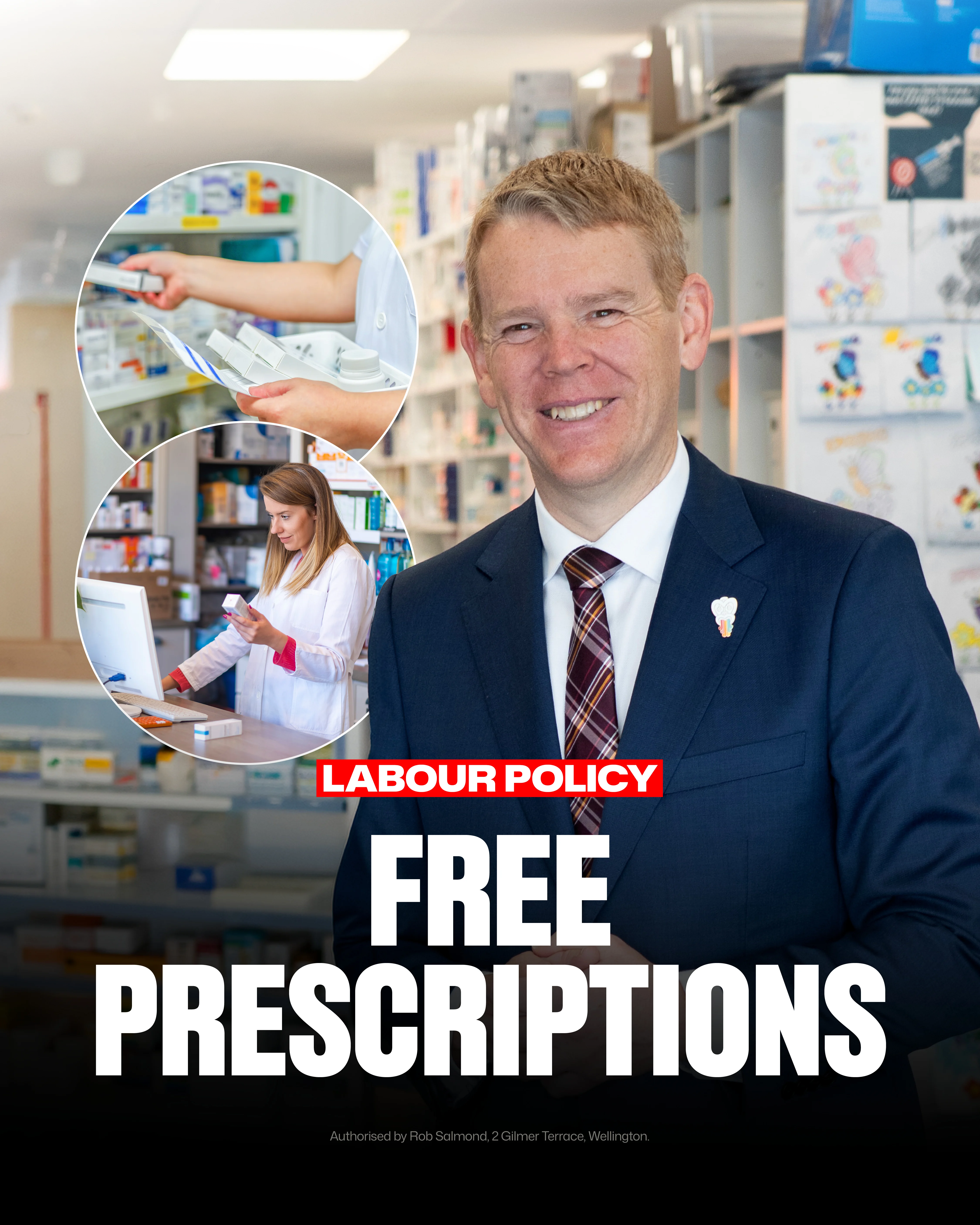
Free Prescriptions
Labour will remove the $5 fee on prescriptions to make them free for everyone. From 1 July 2027.
Learn More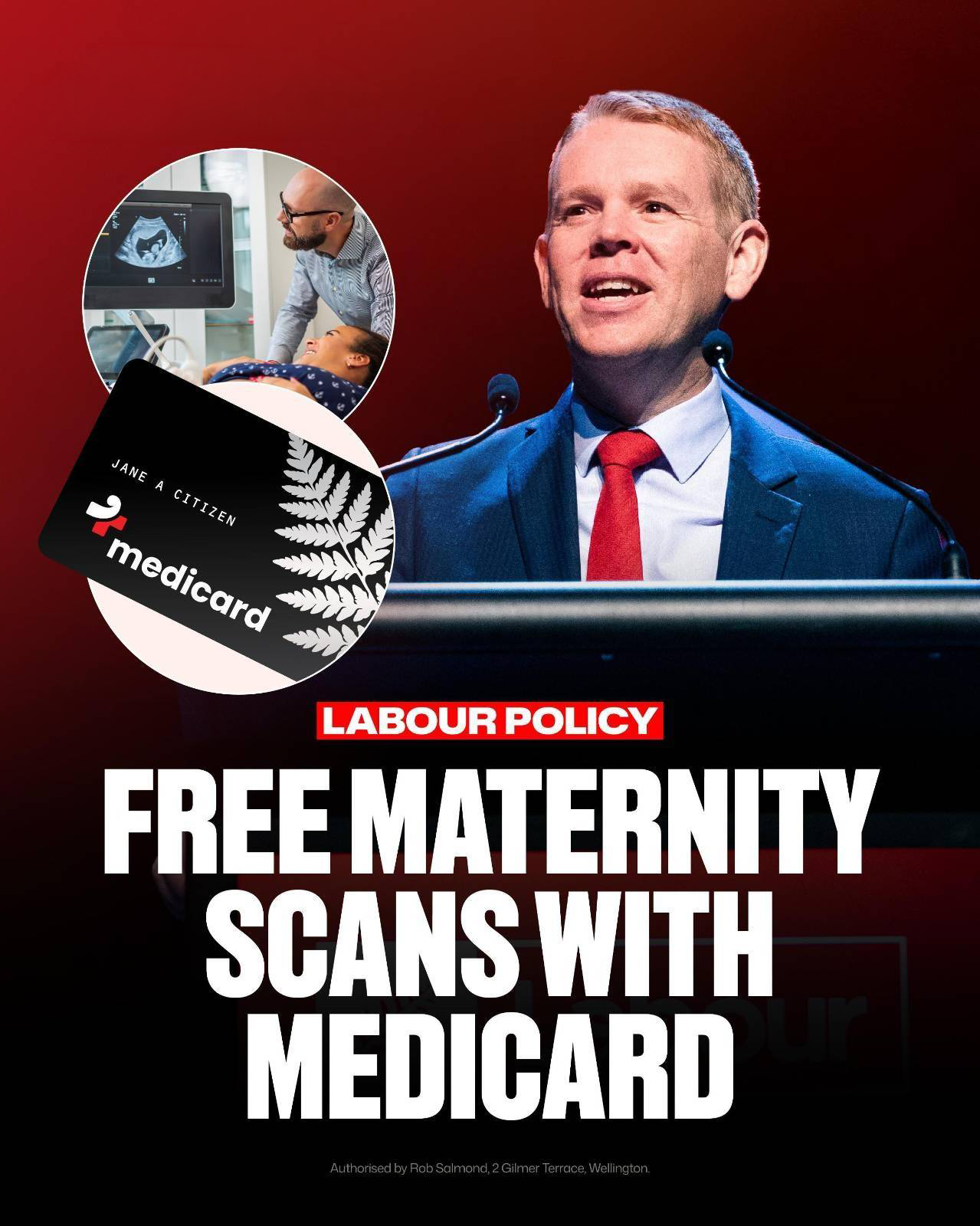
Free Maternity Scans
Labour will make maternity scans free, everywhere in New Zealand with the Medicard. From July 2028.
Learn More
Free Cervical Screening
With Labour's Medicard, cervical screening will be free for ages 25-69. From 1 October 2027.
Learn More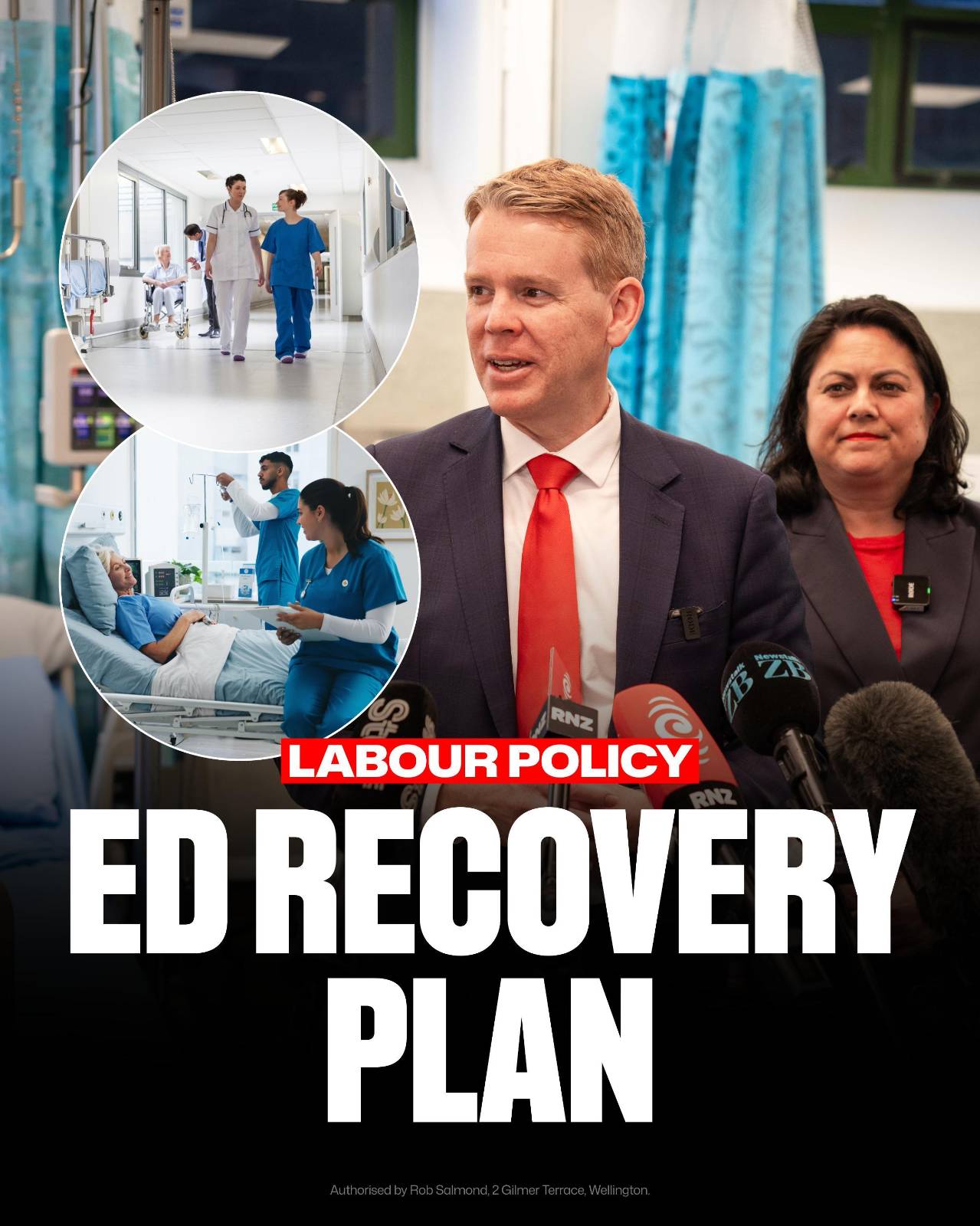
ED Recovery Plan
Free GP visits, free prescriptions, more nurses and faster emergency care to ease pressure on emergency departments.
Learn More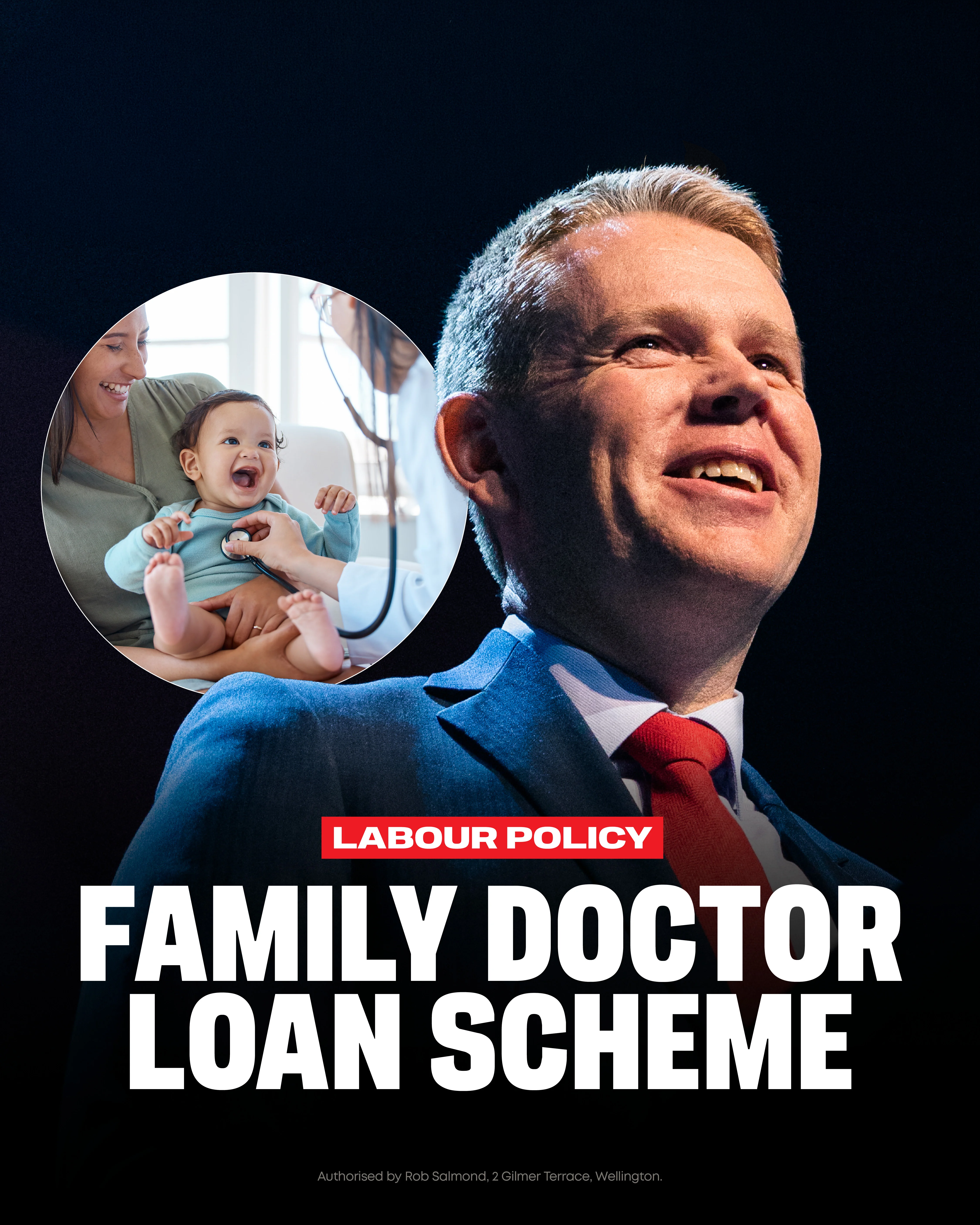
Family Doctor Loan Scheme
Labour's Family Doctor Loan Scheme supports local GPs to buy into practices and stay in their communities. From 1 July 2027.
Learn More
New Zealand Future Fund
Backing New Zealand's potential and investing in a future made in New Zealand.
Learn More
Capital Gains Tax
A simple, targeted 28% tax on profit from selling investment property after 1 July 2027. Nine in 10 New Zealanders won't pay it.
Learn More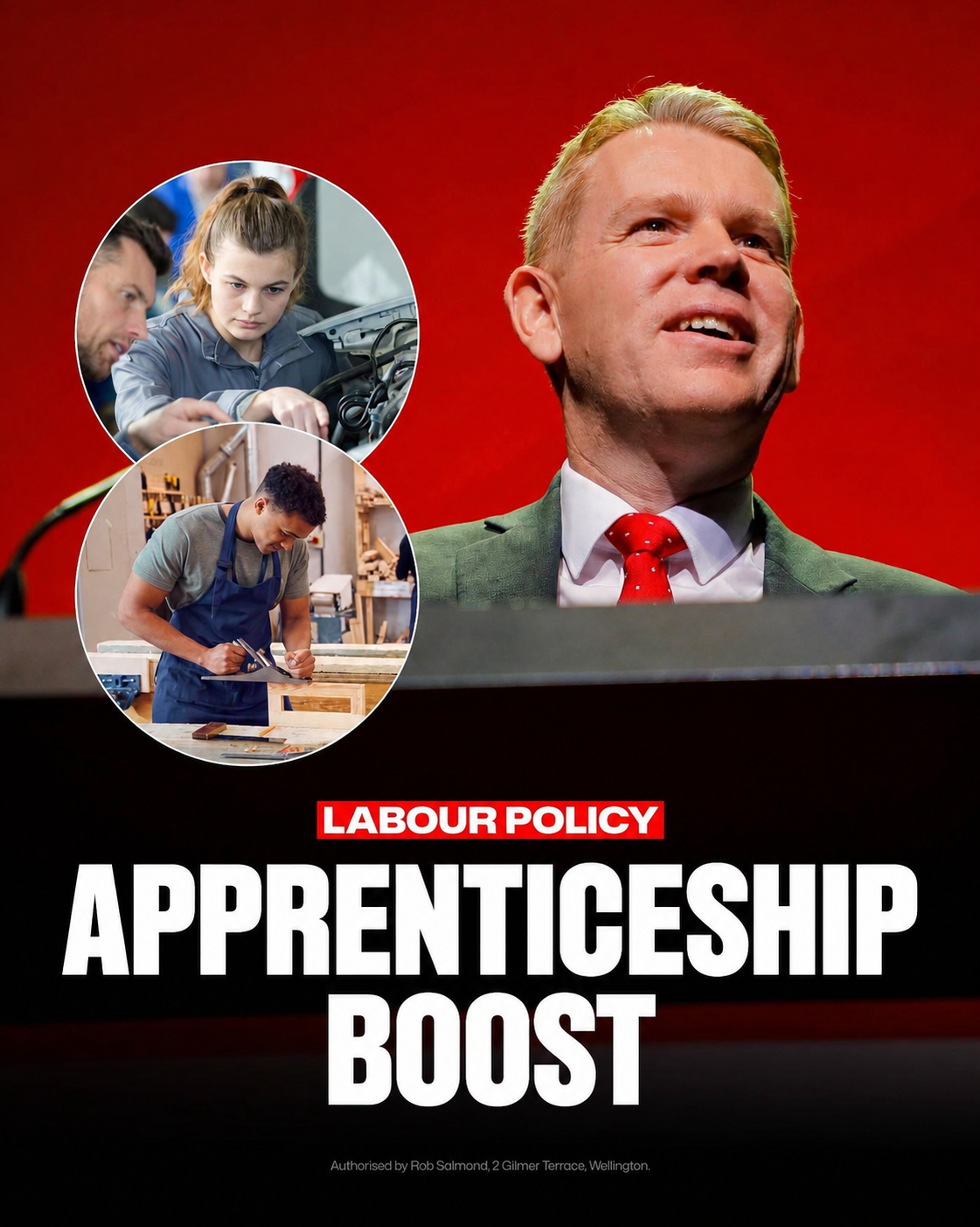
Apprenticeship Boost
Labour will support more tradies with extended employer payments, a $1,000 toolbox grant, and five new trades covered. From 1 July 2027.
Learn More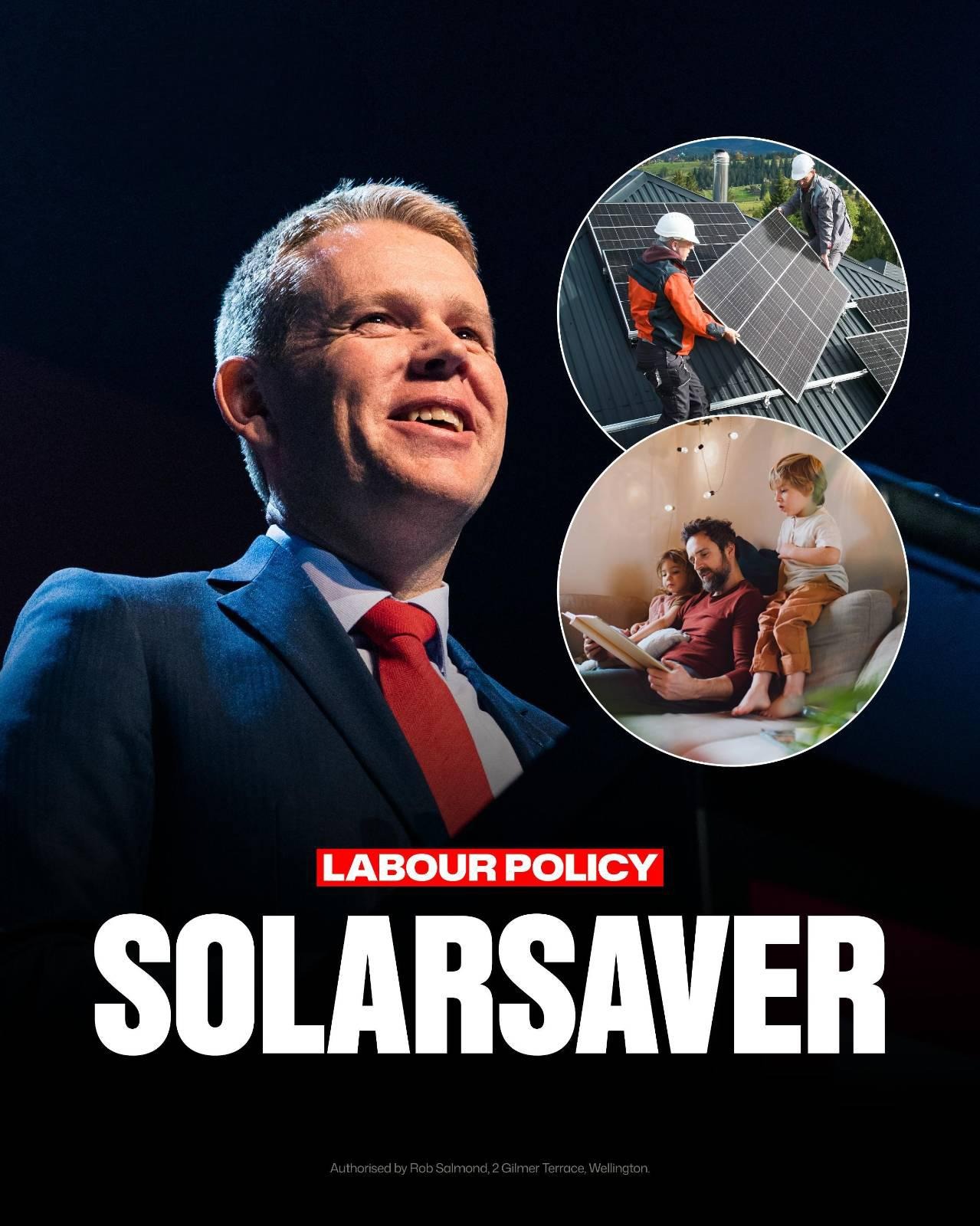
SolarSaver
Labour's SolarSaver is a fully-funded programme to help homeowners, renters and communities get solar without the upfront cost.
Learn More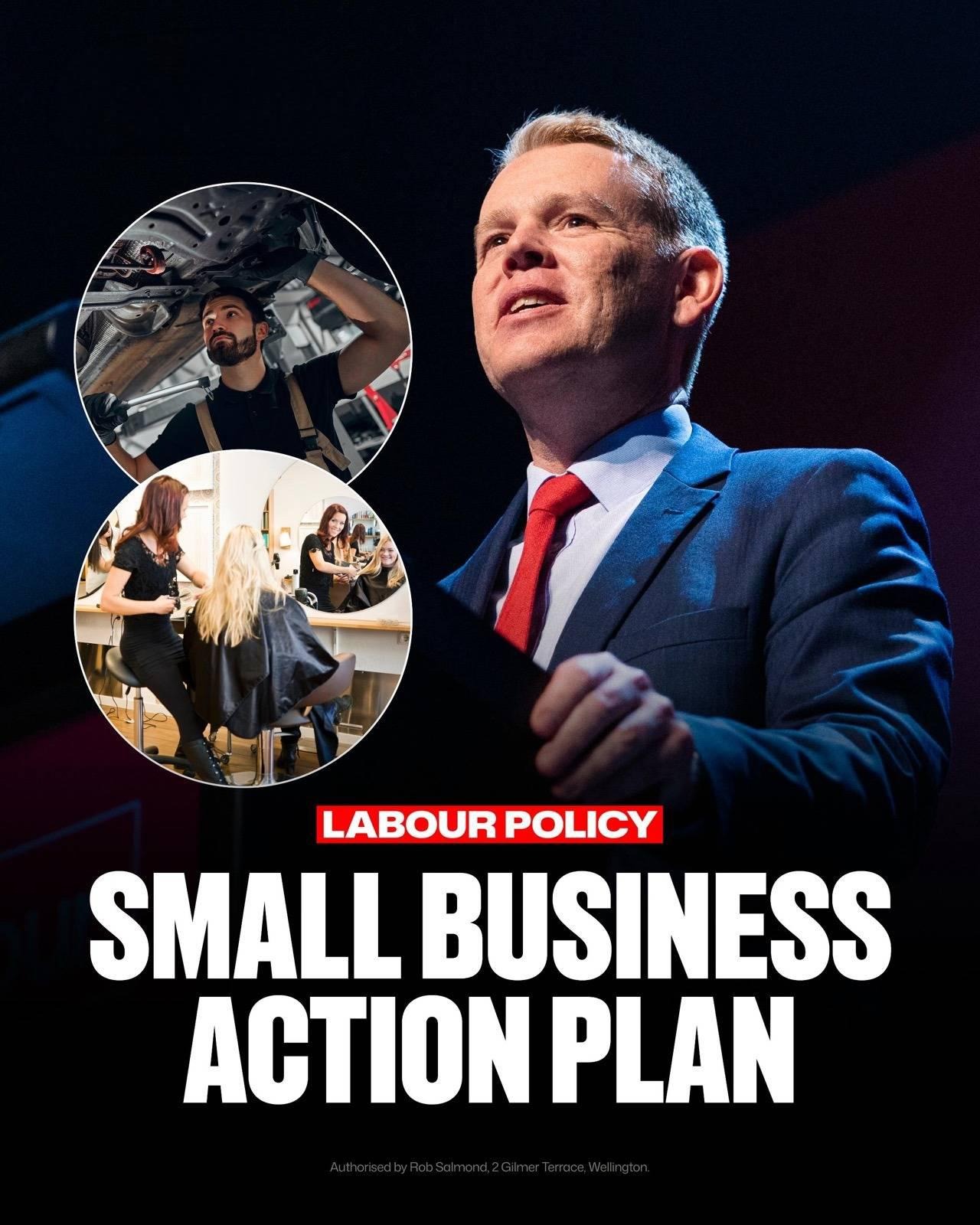
Small Business Action Plan
Getting small business owners paid sooner, easier ways to invest, and less paperwork.
Learn More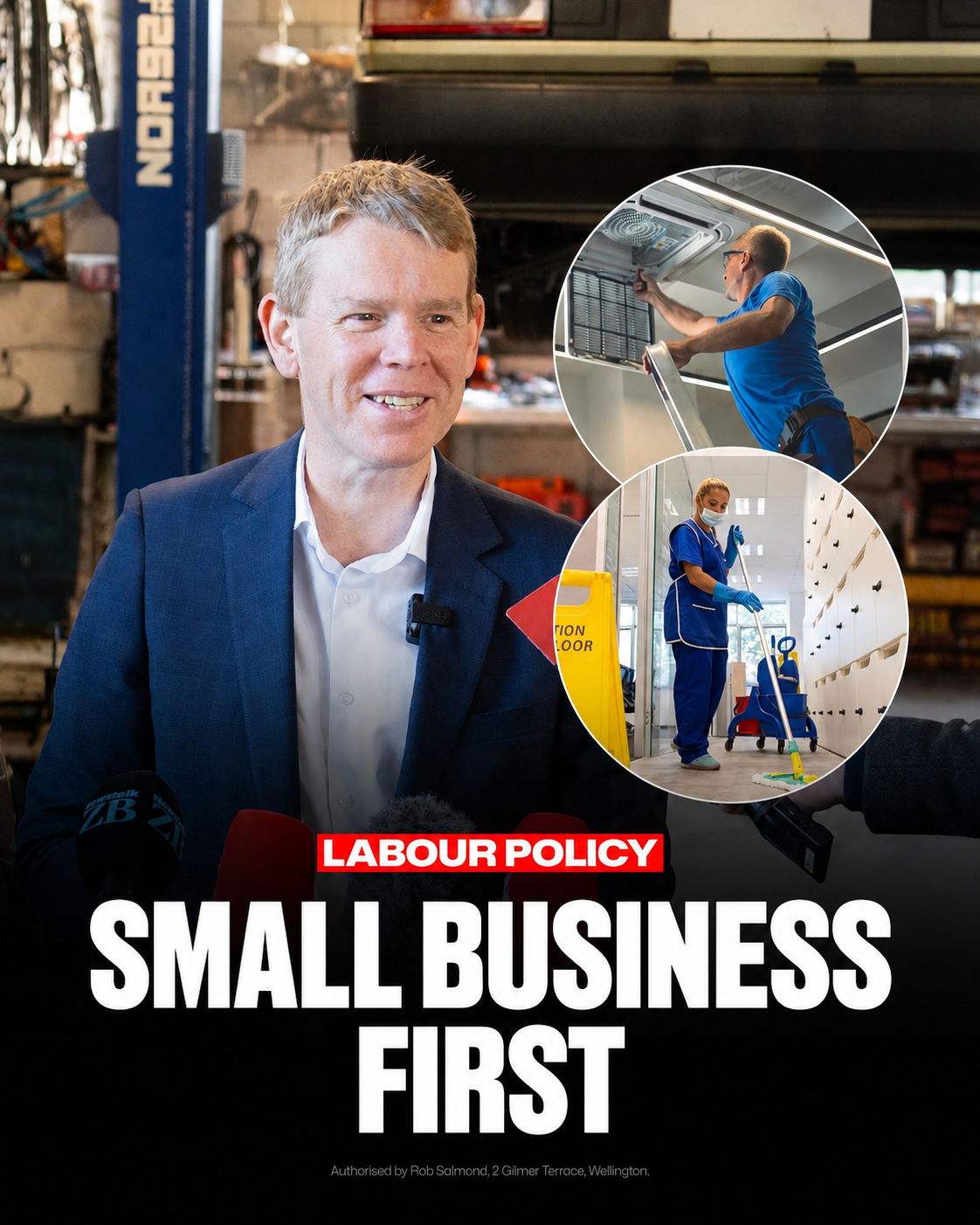
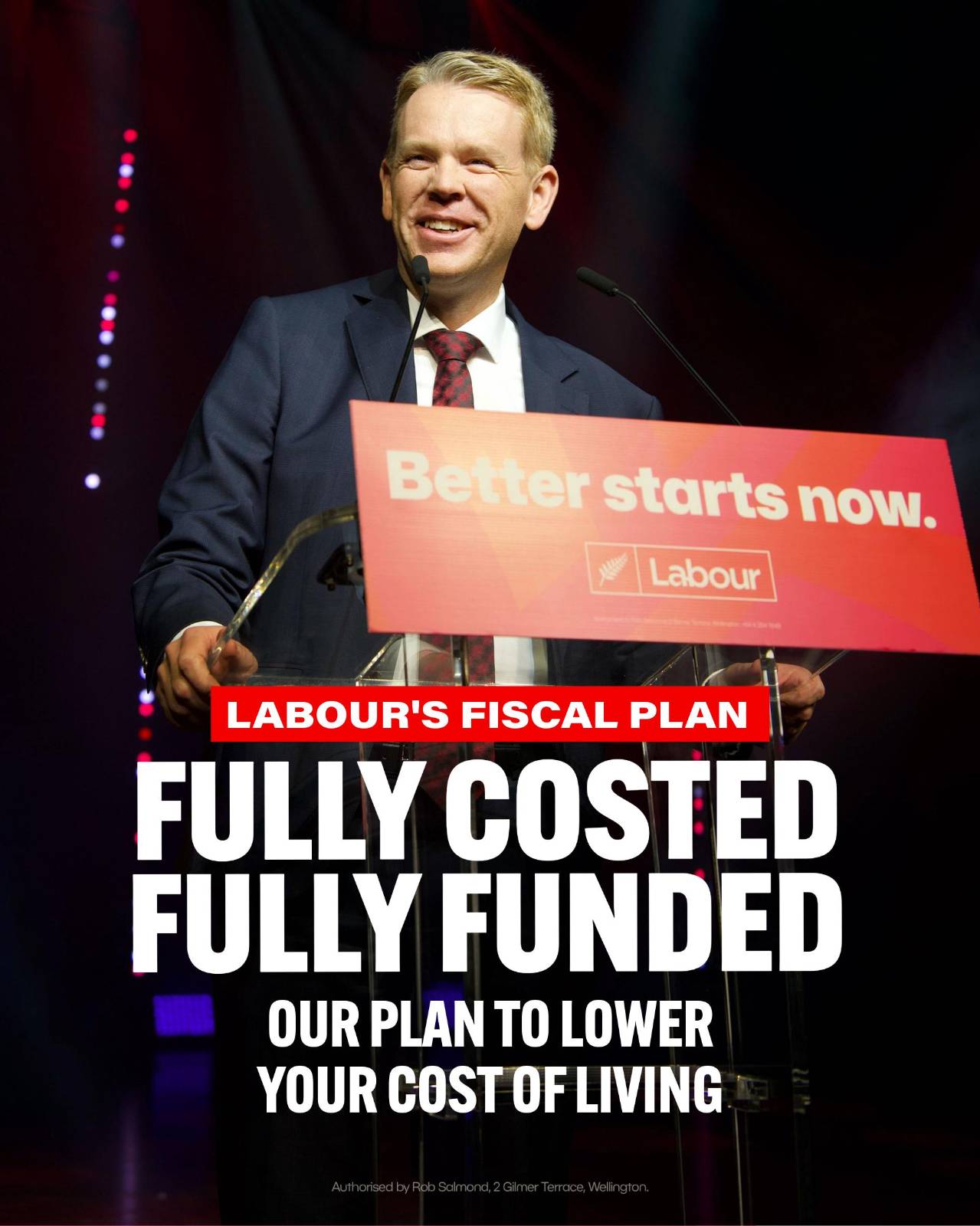
Fiscal Plan
Balance the books, return to surplus by 2028/29, reduce net debt towards 20% of GDP, and keep government spending and revenue sustainable.
Learn More
AI in New Zealand's Interests
Protect what matters, unlock our potential, and lead on our own terms with a new Office of AI and a framework to recognise and pay creators when AI uses their work.
Learn More
Backing Māori into Skilled Work
Māori-led training that helps more whānau Māori gain skills and move into good, well-paid work.
Learn More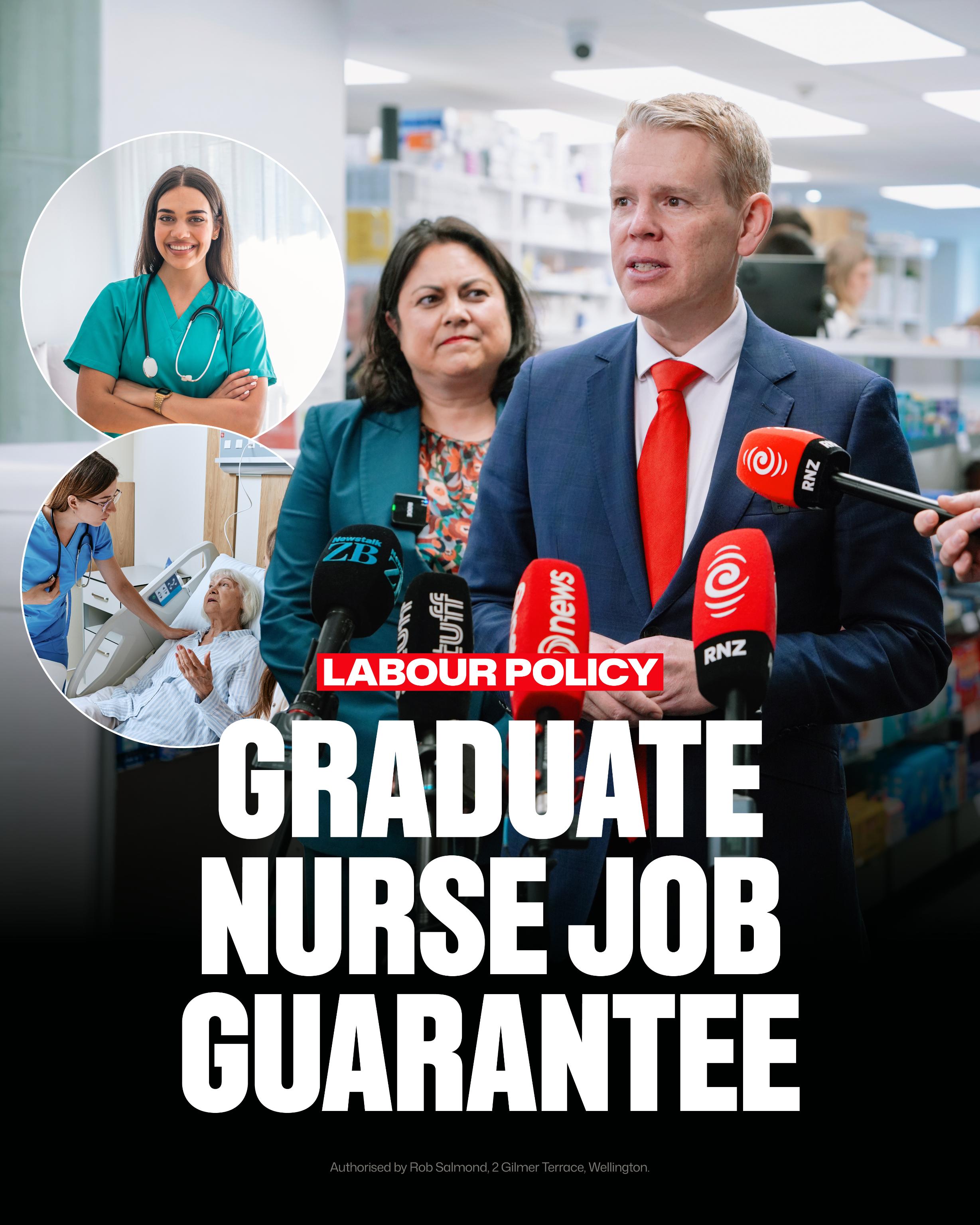
Graduate Nurse Job Guarantee
Every eligible New Zealand-trained graduate nurse will be offered a job in our health system, from 2027.
Learn More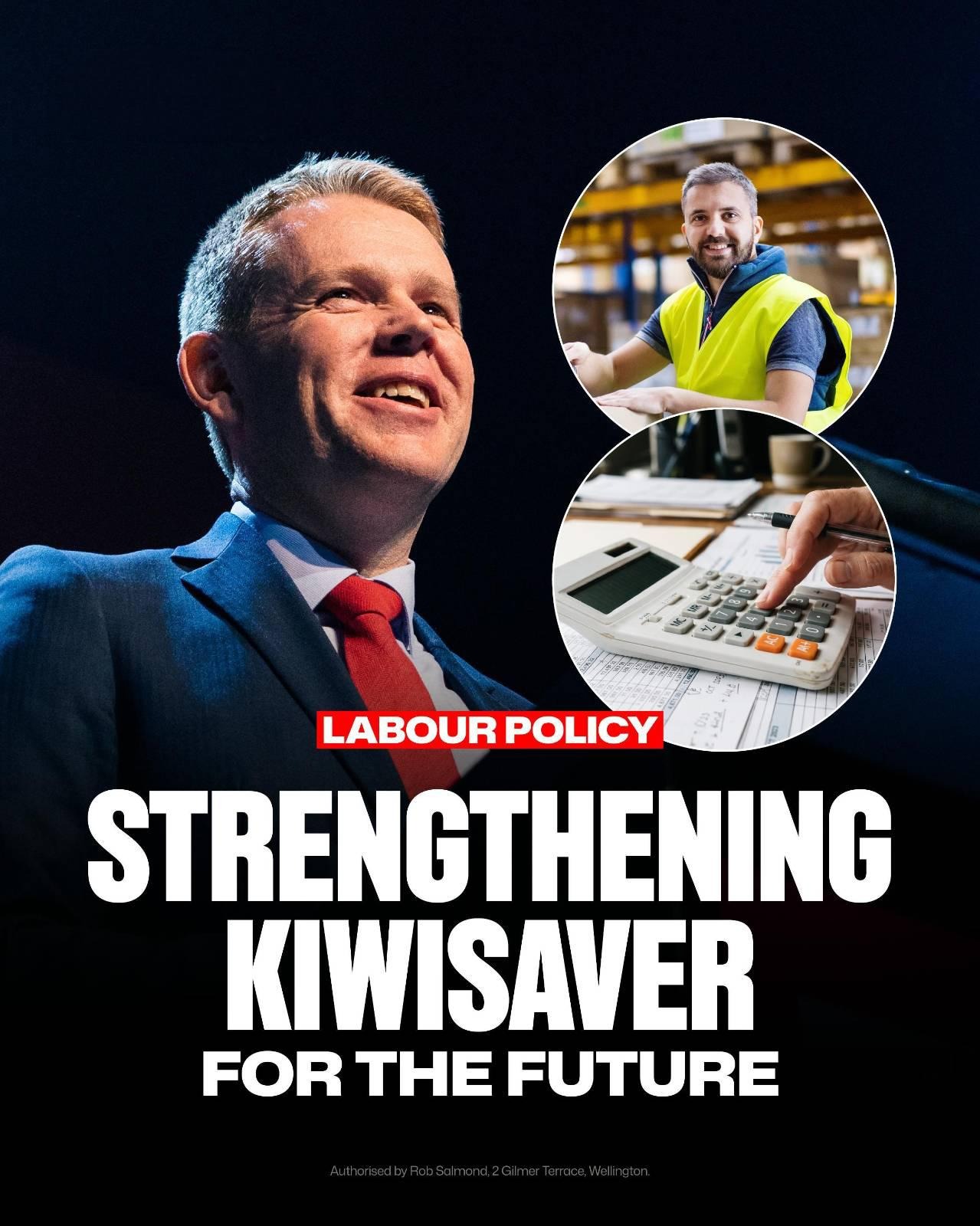
Strengthening KiwiSaver
Compulsory employer contributions rising to 6% by 2032, plus support during parental leave and over-65s.
Learn More

Fairer Grocery Prices
More competition, more choice, fairer prices by breaking open the supermarket duopoly's grip on wholesale supply.
Learn More
Start Work Now
Building homes, fixing schools and repairing hospitals - getting Kiwis back on the tools and nearly 30,000 apprentices into work.
Learn More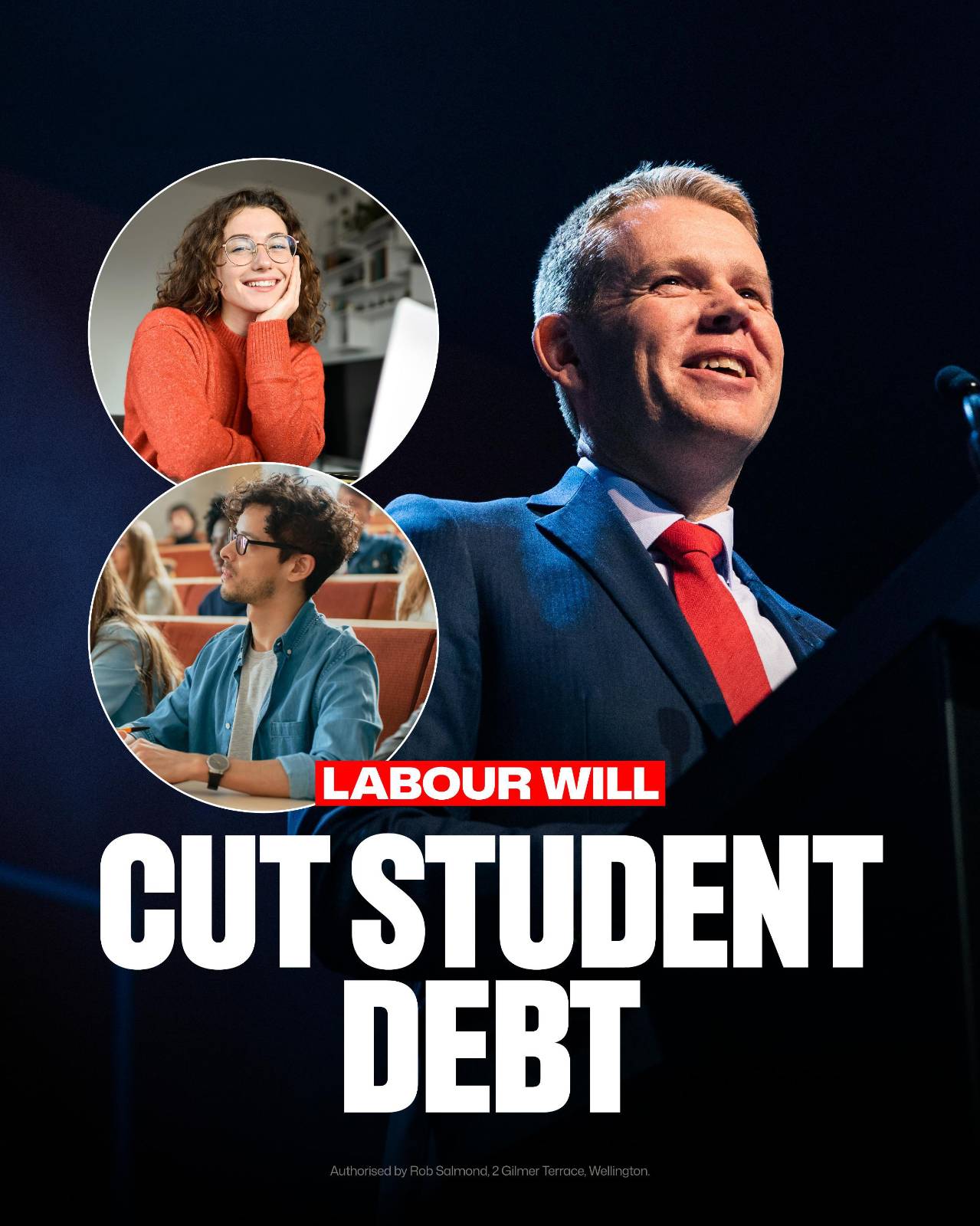
Cutting Student Debt
A 10% cut to eligible student loan balances, with small balances under $2,000 written off completely.
Learn More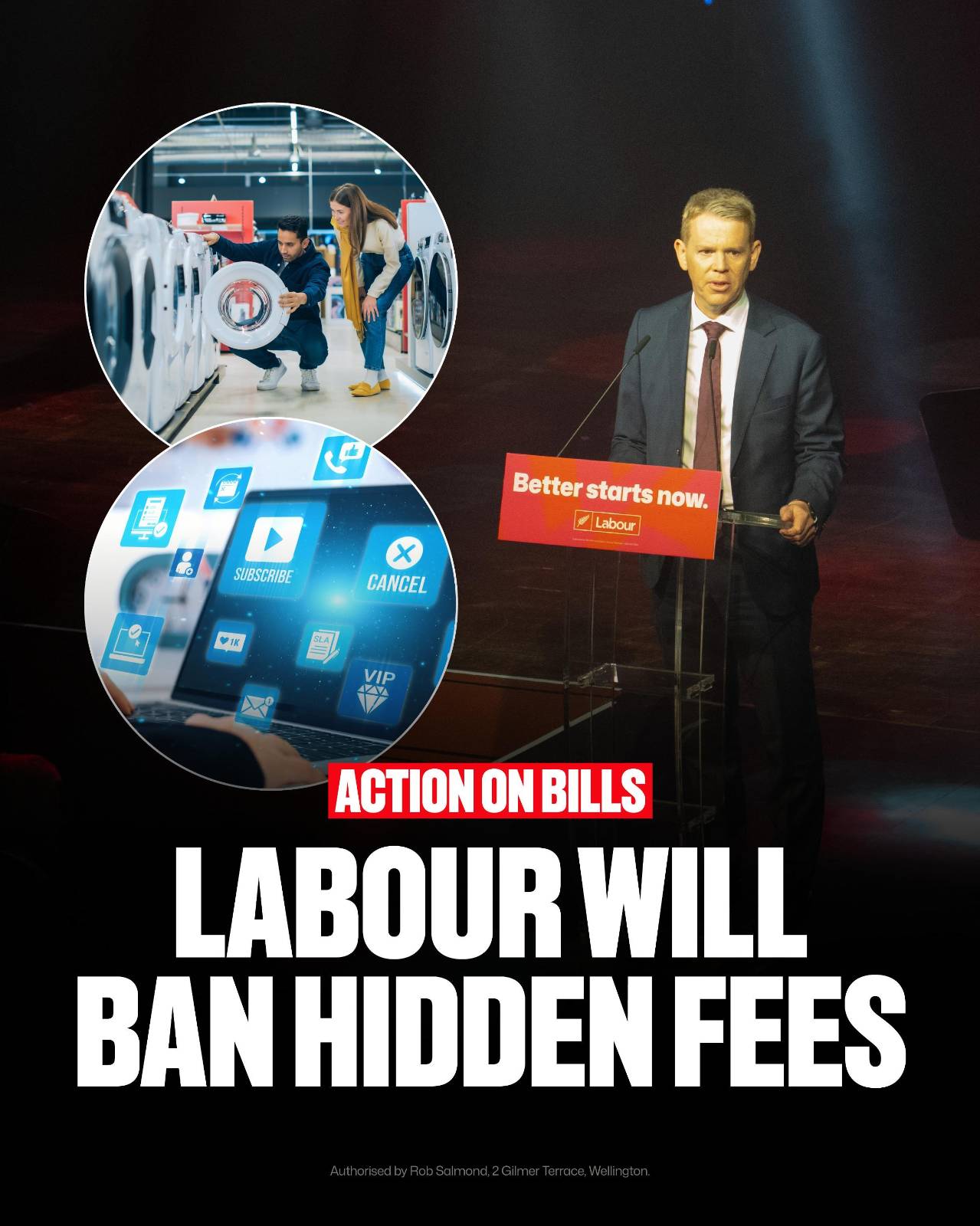
A Fair Go For Families
No hidden fees. No traps. No rip-offs. Banning junk insurance and making cancelling as easy as signing up.
Learn More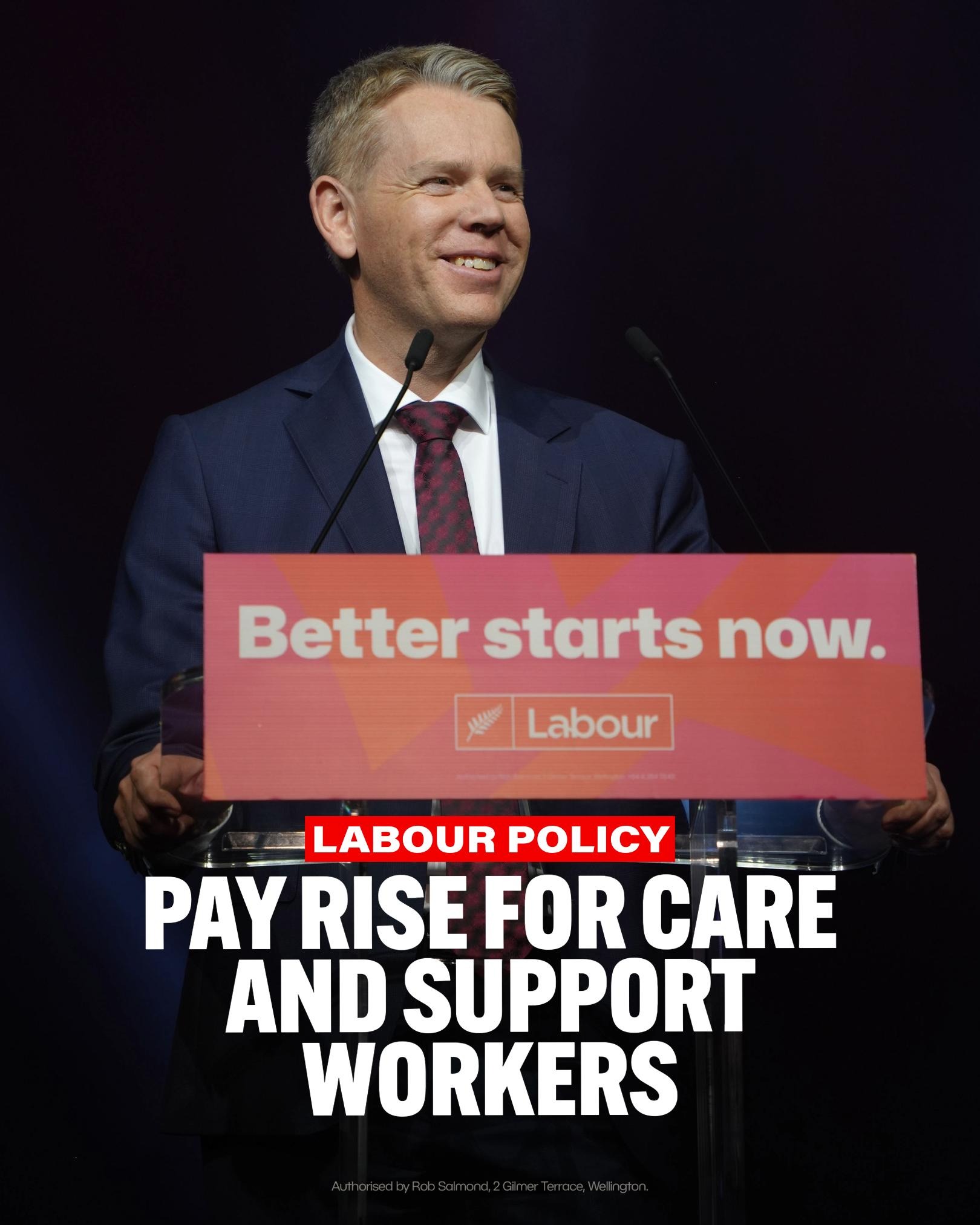
Pay Equity
Restoring pay equity legislation and giving an immediate pay rise to care and support workers.
Learn More
A Fair Go For Drivers
Fairer fuel pricing, a right to repair law for cars, and a fairer deal at the car yard.
Learn More
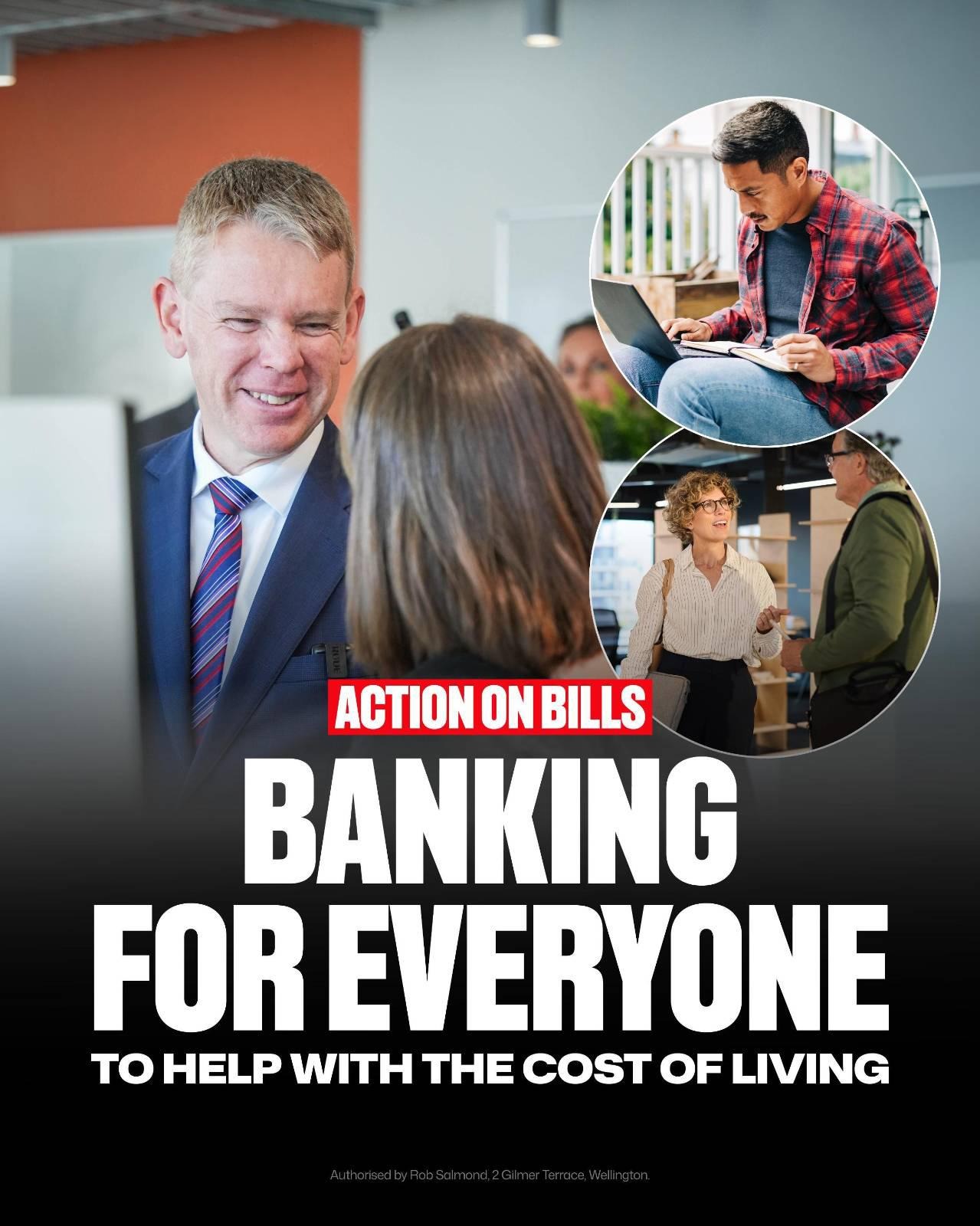
Banking for Everyone
Opening up banking competition, backing Kiwi fintech with a new digital banking licence, and keeping Kiwibank 100% New Zealand-owned.
Learn More
A Better Deal When You Fly
Real prices upfront, automatic refunds when things go wrong, and more airlines competing for your business.
Learn More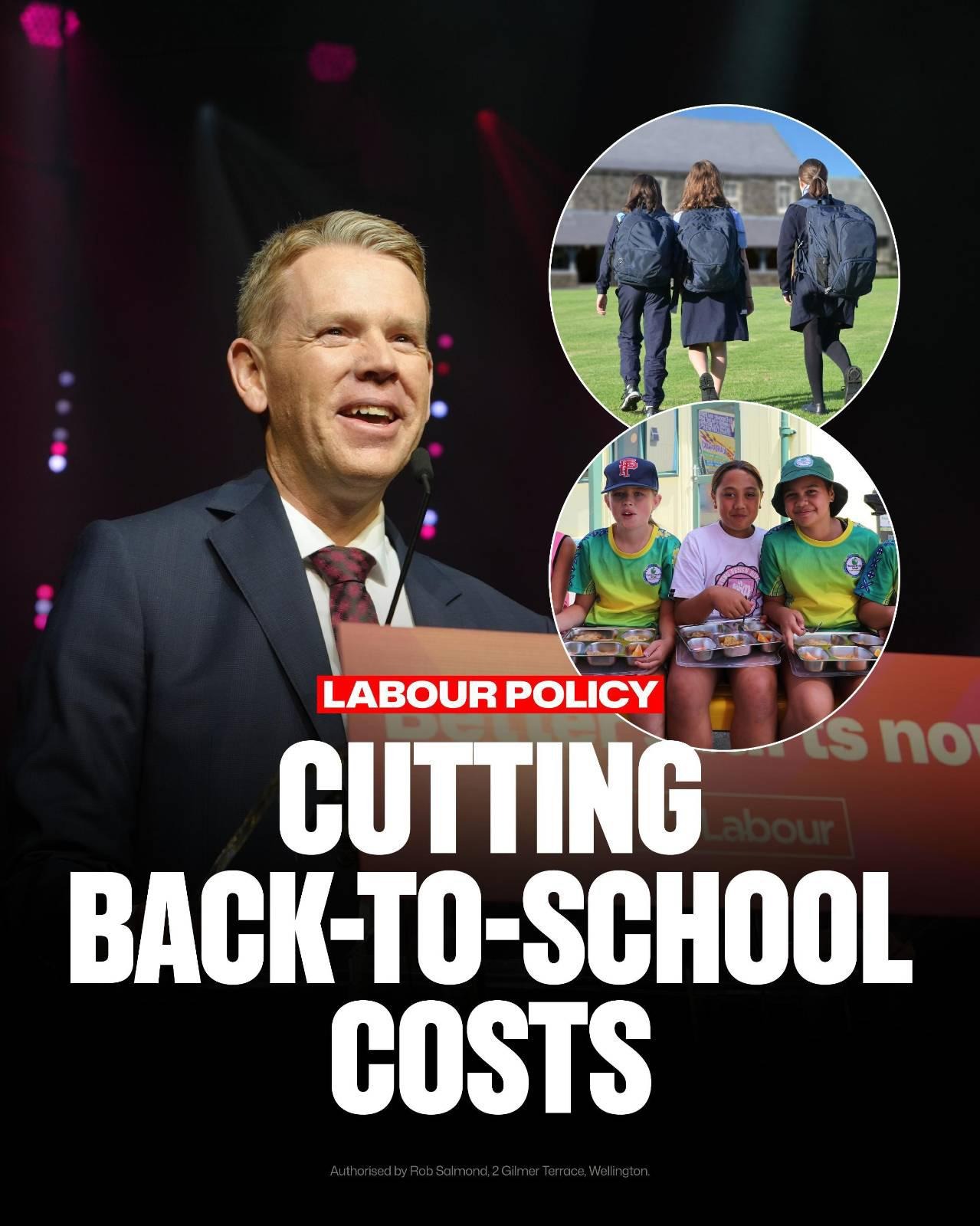
Cutting Back-to-School Costs
Cheaper uniforms, healthy school lunches back from Term 1 2028, rural school buses restored, and lower transport costs.
Learn More
Keeping Kids off Screens
Kids being kids for longer: sport grants, after-school activities, clearer screen rules in schools and support for parents.
Learn More
Safer Online
Basic rules for big tech: no social media for under-16s, more control over your feed, and a Digital Duty of Care.
Learn MoreFrequently asked questions about Labour's 2026 policies
What are Labour's policies for the 2026 New Zealand general election?
Labour's 2026 election policies focus on the things that matter most for everyday New Zealanders including cost-of-living relief, affordable healthcare, and good:
- Cost of living plan: a $20 weekly public transport fare cap, a three-year fuel tax freeze, banning price gouging, fairer grocery prices, the Fair Go Law, cutting student debt, SolarSaver and more
- Affordable healthcare plan: three free GP visits a year through a new Medicard, free prescriptions, free maternity scans, free cervical screening, the ED Recovery Plan, the Family Doctor Loan Scheme and the Graduate Nurse Job Guarantee, funded by a targeted capital gains tax
- Good jobs plan: Apprenticeship Boost, Start Work Now, Backing Māori into Skilled Work, the Small Business Action Plan, Small Business First and Fairer Workplaces
Labour has also announced our Fiscal Plan, the New Zealand Future Fund, a targeted capital gains tax on investment property profits, Strengthening KiwiSaver, an AI Action Plan, Safer Online, Keeping Kids off Screens, Pay Equity for Carers and Support Workers and policies on foreign affairs, immigration, disability, and early childhood education.
What is Labour's cost of living plan?
Labour's cost of living plan is a package of practical steps to cut everyday costs. It includes:
- a $20 weekly public transport fare cap in Auckland, Wellington and Christchurch and $10 everywhere else, in place by 1 July 2027
- freezing fuel tax for three years, saving an average family $520 a year by 2030
- three free GP visits a year (Medicard) and free prescriptions
- SolarSaver, removing the upfront cost of solar
- cutting 10% off eligible student loan balances
- banning price gouging and taking on the supermarket giants with fairer grocery prices
- the Fair Go Law banning hidden fees, junk insurance and exit traps
- A Fair Go For Drivers, Banking for Everyone, A Better Deal When You Fly and Cutting Back-to-School Costs
How much will I save under Labour?
You can use the LabourSaver calculator to work out how much your household will save. Savings depend on your household and which policies apply to you:
- three free GP visits a year through the Medicard, saving the average household around $360 a year
- freezing fuel tax for three years, saving an average family $520 a year by 2030
- free prescriptions, removing the $5 prescription fee
- a $20 weekly cap on public transport fares ($10 outside Auckland, Wellington and Christchurch)
- a $4 an hour pay rise for care and support workers under Pay Equity, worth around $8,320 a year to an average full-time worker
- a 10% cut to eligible student loan balances, with balances of $2,000 or less written off
What is Labour's plan for health?
Labour's plan for affordable healthcare will make it easier to get the care you need, when you need it, from the GP clinic to the emergency department. It includes:
- three free GP visits a year for every New Zealander through a new Medicard, plus free cervical screening for ages 25 to 69 from 1 October 2027 and free maternity scans from July 2028
- free prescriptions from 1 July 2027
- the ED Recovery Plan, with more GP appointments, more nurses and faster emergency care
- the Family Doctor Loan Scheme, with up to 50 loans a year from 1 July 2027 to help doctors buy into owner-operated practices
- the Graduate Nurse Job Guarantee
What is Labour doing to create more jobs?
Labour's good jobs plan will back more Kiwis into secure, well-paying jobs so you can build a future here at home. It includes:
- Apprenticeship Boost, with extended employer payments, a $1,000 toolbox grant and five new trades
- Start Work Now, building social housing, improving more than 2,000 schools, clearing the hospital repair backlog and supporting nearly 30,000 apprentices
- Backing Māori into Skilled Work, investing $21 million a year in Māori-led training
- the Graduate Nurse Job Guarantee
- the Small Business Action Plan and Small Business First, including a target for 15% of government contracts to go to New Zealand small businesses and start-ups
- Backing Māori Businesses, with an initial target of 5% of government procurement contracts for Māori businesses
- Fairer Workplaces, including restoring pay equity legislation and bringing back Fair Pay Agreements
What else has Labour announced?
Labour has also announced:
- Fairer Workplaces: restoring pay equity legislation, Fair Pay Agreements, the Living Wage across the public service and stronger health and safety law
- Foreign Affairs: recognising the State of Palestine, backing multilateral institutions and international law, and deepening ties with the EU, Canada, ASEAN and the Pacific
- Immigration: planning immigration around New Zealand's capacity, protecting migrants from exploitation and expanding visa-waiver access for Pacific whānau
- A Government You Can Trust: making it easier to vote, harder to buy influence and harder to rush laws through
- Retirement Villages: requiring villages to repay residents within three months
- Crown Guarantee for Community Housing: a $950 million guarantee for the Community Housing Funding Agency
- Disability: ending annual benefit renewals for people with verified permanent disabilities, and requiring at least 25% of new Kāinga Ora builds to be accessible
- Early Childhood Education: affirming Te Whāriki, working towards pay parity for ECE teachers and stronger oversight
- Fixing the Emissions Trading Scheme: a genuine price on emissions and staying committed to the Paris Agreement
- Backing Māori Businesses: reinstating Progressive Procurement
What is Labour's Fiscal Plan?
Labour's Fiscal Plan sets out how a Labour Government will manage the country's finances:
- return to an OBEGAL surplus by 2028/29
- reduce net debt towards 20% of GDP
- keep core Crown expenditure and revenue at around 33% of GDP
- establish a Parliamentary Budget Office for independent fiscal transparency
- restore the Reserve Bank's dual mandate of price stability and maximum sustainable employment
- restore wellbeing reporting to the Public Finance Act
How are Labour's policies being funded?
Each policy page sets out its costing and how it is paid for.
Labour's healthcare policies are funded by a simple, targeted 28% capital gains tax on profit from selling commercial or residential investment property, excluding the family home, farms, KiwiSaver, shares, businesses and inheritances. Every dollar raised is ring-fenced for health, and nine out of 10 New Zealanders will not pay the tax.
Costings include:
- free prescriptions: $74.5 million a year
- free maternity scans: $28.6 million a year
- free cervical screening: $21.6 million a year
- Apprenticeship Boost: an average of $56.5 million a year over four years
- SolarSaver: $160 million over four years
- Backing Māori into Skilled Work: $21 million a year
- the Graduate Nurse Job Guarantee: $525 million
- the Small Business Action Plan: $1.56 billion over four years, funded by refocusing Investment Boost
- Start Work Now: around $450 million for schools, $200 million for hospitals and $2.9 billion in capital for housing
- Pay equity is funded within Labour's Fiscal Plan, with future settlements funded through future Budgets as agreements are reached.
- The $950 million Crown guarantee for the Community Housing Funding Agency would only be called on in the unlikely event of a default.
When will Labour's policies start?
- Immediately on taking office: National's hiring freeze ended and winter planning restored (ED Recovery Plan)
- First 100 days of a Labour Government: paid-on-time legislation and payment-time disclosure for small businesses, pay equity legislation restored, Fair Pay Agreements legislation introduced, and the under-16s social media ban legislation
- 1 January 2027: $4 an hour pay rise for care and support workers under Labour's pay equity policy
- 1 April 2027: eligible graduates already repaying their student loan receive a 10% cut; current and future students qualify for the same cut after staying in New Zealand for three years following their study, first qualifying from 2031
- 1 July 2027: $20 fare cap; free prescriptions; Family Doctor Loan Scheme; Apprenticeship Boost expansion (new trades, toolbox grant, mentoring)
- 1 October 2027: free cervical screening (ages 25-69)
- Labour's first Budget in Government in 2027: the $950 million Crown guarantee for the Community Housing Funding Agency
- Within a year of taking office: Start Work Now, with school improvements beginning within 12 to 24 months
- Term 1 2028: new school uniform rules in place and healthy school lunches return
- 1 July 2028: compulsory KiwiSaver employer contributions begin, extended to over-65s; two-year employer payments under Apprenticeship Boost; free maternity scans; Independent Pricing Authority for GP funding
- SolarSaver: EECA support, subsidies and loan schemes up and running within 12 months of taking office
- Backing Māori into Skilled Work: running as soon as possible after Budget 2027
- Graduate Nurse Job Guarantee: applies to graduates from July 2026, with roles offered at graduation from 2027
- Capital gains tax: applies only to profits made after 1 July 2027, and only when the property is sold
- Fiscal Plan: return to an OBEGAL surplus by 2028/29
Who will benefit from Labour's policies?
- Households and shoppers: the fare cap benefits anyone who uses public buses, trains or some ferries; the fuel tax freeze benefits drivers, families, farmers, truck drivers, tradies and businesses; banning price gouging and Fairer Grocery Prices benefit every household buying essentials, independent grocers, food producers and suppliers; A Fair Go For Families benefits anyone buying a car, whiteware, phone or internet plan, subscription, event tickets or gym membership; A Fair Go For Drivers benefits drivers, independent petrol station owners and local mechanics; Banking for Everyone benefits bank customers, small businesses seeking finance and Kiwi fintech businesses; A Better Deal When You Fly benefits air travellers, regional communities and smaller Kiwi airlines; Cutting Back-to-School Costs benefits parents and caregivers, school students and rural families; Cutting Student Debt benefits Kiwis with student debt; SolarSaver benefits homeowners, renters and people without panels in neighbourhoods with a community battery
- Health: the Medicard and its free visits, prescriptions, maternity scans and cervical screening benefit every New Zealander entitled to public healthcare; the ED Recovery Plan benefits patients and families needing GP or emergency care, hospital doctors and nurses, paramedics and older people recovering at home; the Family Doctor Loan Scheme benefits communities with limited GP access; the Graduate Nurse Job Guarantee benefits graduate nurses and the patients they care for
- Work and business: Apprenticeship Boost and Start Work Now benefit employers, apprentices, tradies and communities waiting on homes, schools and hospitals; the Small Business Action Plan and Small Business First benefit New Zealand's roughly 600,000 small businesses; Backing Māori into Skilled Work benefits whānau Māori of all ages seeking skills and secure work; Backing Māori Businesses benefits Māori businesses bidding for government contracts; Pay Equity benefits care and support workers, the large majority of whom are women; Fairer Workplaces benefits workers across the public service and beyond; Strengthening KiwiSaver benefits working New Zealanders saving for retirement or a first home; the Future Fund aims to benefit Kiwi workers and businesses
- Families and communities: Keeping Kids off Screens and Safer Online benefit children and teenagers, parents and caregivers, school and kura communities, older people targeted by scammers and anyone who uses social media; Early Childhood Education benefits children, parents, ECE teachers and Pacific language nests, Puna Reo and Te Kōhanga Reo; Disability benefits disabled people, carers and disabled people's organisations; Retirement Villages benefits residents and their families; the Crown guarantee benefits community housing providers; Immigration benefits migrants and Pacific whānau welcoming loved ones; AI for New Zealand aims to benefit all New Zealanders
Sign up to receive the latest announcements directly to your inbox.
You can unsubscribe any time.
